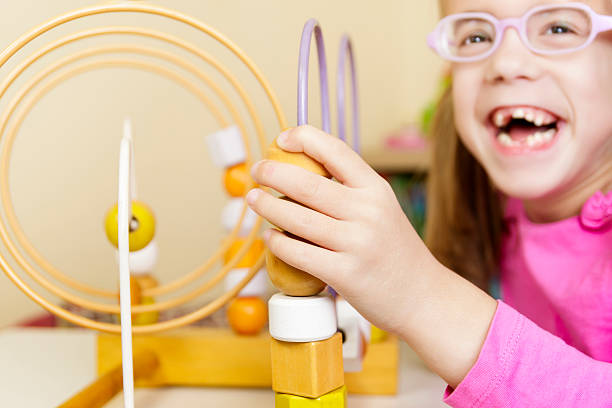
The best early childhood education is actually hidden within your refrigerator and cupboards.
You probably haven’t realized that the kitchen you frequent every day is the world’s best “Montessori Classroom.”
It is richer than any meticulously decorated playroom—filled with real textures, varying weights, changing temperatures, charming scents, and colorful shapes. While you may be worrying about which Montessori toy to buy, you already possess a natural treasure trove.
Today, we won’t talk about specialized materials. Instead, let’s discuss how to turn ordinary kitchen time into a shared sensory exploration journey of discovery. You will find that the ingredients and utensils you take for granted are, to a child, incredibly novel “educational tools.”
Why Is the Kitchen the Perfect Place for Montessori Education?
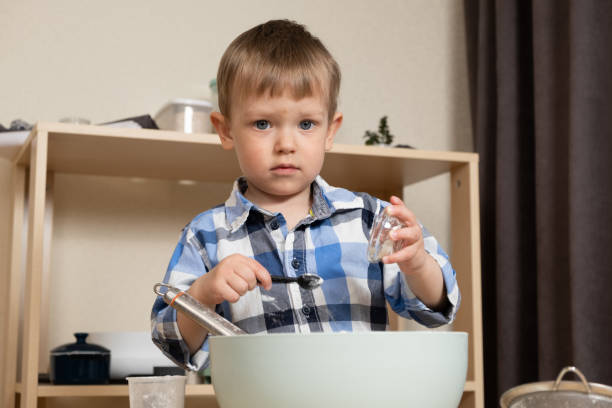
The core of Montessori education is “Reality.” Children long to participate in real life, use real tools, and complete real, purposeful tasks. The kitchen satisfies all of this:
- A Sensory Feast: From the fineness of flour to the hardness of beans, the tartness of lemons to the fragrance of herbs, and the coolness of running water to the warmth of steam—the kitchen is an all-sensory open laboratory.
- Training Ground for Motor Development: Pouring, stirring, kneading, scooping, and washing; every movement precisely exercises gross motor coordination and fine motor skills, especially the “three-finger pinch” that lays the foundation for future writing.
- Enlightenment of Logic and Order: “Wash hands first, prepare ingredients, then operate, and finally clean”—cooking itself is a process containing strict logical sequences, nurturing a child’s internal sense of order.
- Source of Independence and Confidence: “I can help Mom cook!” This sense of achievement from participating in core family work is incomparable to any verbal praise; it deeply nourishes a child’s independent consciousness and sense of belonging.
“Next time you cook, instead of letting your child watch TV, invite them to be your ‘Kitchen Assistant.’“
Age-Appropriate Guide: What “Kitchen Work” Can 4-6 Year Olds Handle?
For children aged 4-6, the key is providing child-sized tools and tasks they can successfully complete. Safety is always first! Please perform the following activities under full adult supervision.
Level 1: Sensory Exploration and Basic Movements
- Bean/Pasta Sorting Game: Mix two different colors or shapes of beans or pasta. Provide an ice tray or small bowls for the child to sort using fingers or child-safe tweezers. This exercise visual discrimination.
- Vegetable Washer: Give the child a basin of water and a potato or carrot. Provide a small brush for them to scrub it clean. This is a perfect blend of tactile work and responsibility.
- Spice-Smelling Jars: Place mild-scented spices (cinnamon sticks, star anise) in small jars. Let the child smell, guess, and describe the scents for olfactory training.
Level 2: Complex Sequential Tasks
- Making Simple Sandwiches: Have the child follow steps: lay out bread, spread sauce, then place vegetables and cheese. Executing multi-step sequences is excellent logic practice.
- Cutting Soft Food with Safety Knives: Provide a real child-safe knife to practice cutting bananas or boiled carrots. Using real tools boosts concentration and hand control.
- Measuring and Pouring: During baking, let the child scoop flour or sugar with measuring cups. This combines early math with physical control.
From Kitchen to Work Mat: When Daily Interest Meets Guidance
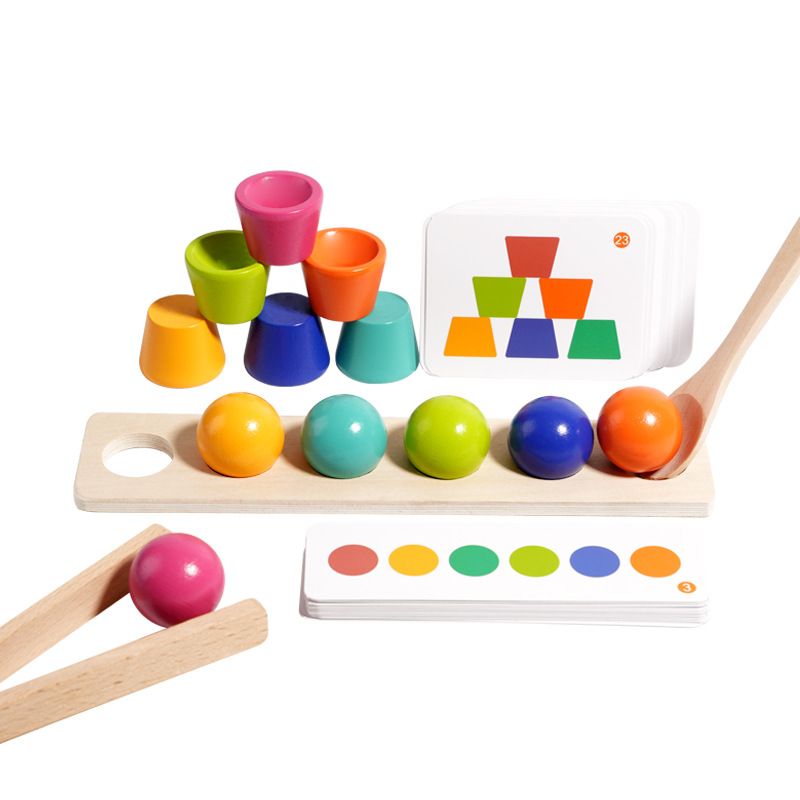
When a child shows intense interest in these “works”—especially grasping, sorting, and pouring—you can bridge this interest toward focused, specialized activities. This is where a professional Montessori toy can shine, refining raw life experiences into systematic ability building.
|
The Kitchen Experience | The Professional Progression (e.g., Bead Matching Montessori Toy) |
|---|---|
|
Refining Skills |
Using tweezers to move small beads requires more precise eye-hand coordination than sorting large beans. |
|
Focus “Container” | Unlike the open kitchen, a Montessori toy provides a clear boundary and minimal distraction for deep concentration. |
|
Inherent Wisdom |
The results are self-verifying (color mismatches are obvious), allowing for independent self-correction. |
Experience the bridge between life and play: [View Our Recommended Montessori Bead Matching Sets]
Key Mindset: Be a “Guide” in the Kitchen, Not a “Commander”
To ensure kitchen activities are educational rather than a disaster, you must shift your role:
- Slow Down and Model: Want to teach banana slicing? Don’t talk and do at the same time. Have them watch you perform slow, decomposed movements, then hand over the tools.
- Accept Imperfection, Value Process: Spilled flour or overflowing water is normal! Say calmly, “It looks like we need more pouring practice. Let’s clean it up together.” Your reaction teaches them how to handle mistakes.
- Assign Real Responsibility: “I’m counting on you to stir the salad dressing tonight!” Giving a task a real purpose makes the child exceptionally serious and focused.
- Connect Life and Specialized Montessori Toys: When they finish in the kitchen, say, “You were so steady with the beans! I have a new ‘work’ with colored beads; would you like to try?” This makes the introduction natural and rewarding.
Frequently Asked Questions (FAQ)
Q1: Isn’t the kitchen too dangerous? How do I balance exploration and safety?
Balance comes through a “prepared environment” and “clear boundaries.” Define “No-Go Zones” (stoves, knife racks) and provide safe alternatives like blunt-edged safety knives. Most importantly, maintain close adult supervision. Desktop activities like bead-matching toys are perfect transitions when you need to handle urgent tasks but want to keep their interest safely engaged.
Q2: What if the child loses patience quickly and makes a mess?
This usually means the task exceeds their current attention span. Simplify the task (e.g., just plucking strawberry stems instead of slicing), shorten the process, or check if the tools are too heavy. Protecting interest is more important than finishing a dish. A well-designed Montessori toy often reignites enthusiasm by providing “just right” challenges and instant feedback.
Conclusion: The Best Education is Life Itself
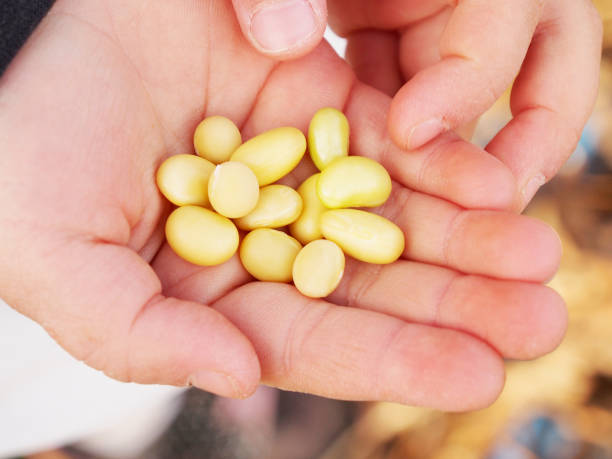
True Montessori education is never found in a remote cabinet of materials; it is found within the vibrant stream of daily life. When you stop viewing the kitchen as a “parenting danger zone” and see it as an adventure park full of learning opportunities, education happens naturally.
The time you spend side-by-side at the counter is a level of intimacy and trust no early childhood class can replace. By observing their budding interests and introducing professional tools at the right time, you provide the perfect scaffolding for a growing seedling, helping them transform passion into core competencies of concentration, coordination, and independence.
Start with tonight’s dinner preparation. Hand your child a safety knife, a few green beans, or even that colorful bead tray. You will find that the most vital learning is hidden in the shared, everyday moments of your home.
Explore hands-on Montessori toys that extend your child’s sensory and motor skills beyond the kitchen.