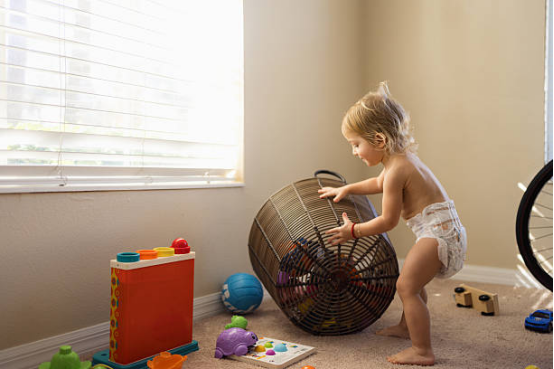
Have you ever had this experience: you carefully selected a high-quality Montessori toy, and your child played with it for months, but it gradually lost its original luster—food marks on the wood, dust hidden in the fabric texture, or once-bright colors turning dull…
That feeling is like seeing the dog-eared pages of a favorite book; it’s heartbreaking, yet you don’t know what to do.
For many families who cherish the Montessori philosophy, these toys are more than just “playthings”; they are “work partners” that carry educational significance and accompany a child’s growth.
Today, we won’t discuss how to purchase them but rather dive into a frequently overlooked yet vital topic: how to scientifically care for and manage your Montessori toys like an old friend, ensuring they stay fresh and continue to support your child through one sensitive period after another.
From Unboxing to Heirloom: The Life Cycle of High-Quality Toys
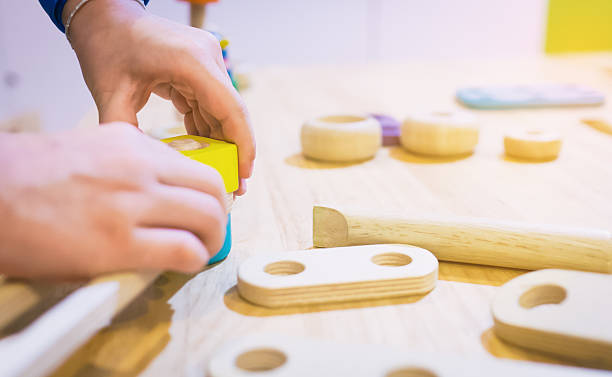
The value of Montessori toys made from natural materials (such as beech wood and cotton) lies in their durability and sensory authenticity.
They are designed with the intention of being used repeatedly and explored by different children. Scientific care not only extends their physical lifespan but also ensures that every “work” environment is safe, clean, and aesthetically pleasing.
“This is not just about hygiene or thrift; it is the transmission of a life attitude. When children see us gently wiping wood or neatly organizing materials, they learn respect and responsibility for objects—the core essence of ‘Caring for the Environment’ in Montessori education.”
Core Care Principles: Gentle, Natural, Regular
When treating Montessori toys, avoid harsh chemicals or rough handling. Please follow these Golden Rules:
- Gentleness First: Prioritize physical cleaning methods (wiping, soft brushes); chemical cleaners are the last resort.
- Natural Priority: Choose natural cleaners with simple ingredients, such as white vinegar, lemon juice, baking soda, or diluted mild soap.
- Consistency Over Overhaul: Make simple daily wiping a part of the usage routine (e.g., after work is finished) rather than waiting for stains to accumulate.
Deep Cleaning Guide by Material
1. Wooden Toys (The Majority of Montessori Materials)
Wood is a warm, “living” material that requires delicate care.
- Daily Maintenance: Use a soft, slightly damp cotton cloth to wipe the surface, removing dust and hand sweat. Avoid soaking or prolonged sun exposure to prevent cracking and deformation.
- Stain Removal: For food grease or stubborn spots, use a cloth with a small amount of olive oil or specialized wood maintenance oil. This cleans and nourishes the wood. For crayon marks, try erasing gently with an eraser.
- Disinfection: When necessary (after illness or group play), wipe gently with a diluted white vinegar solution (approx. 10:1 water to vinegar), dry immediately with a cloth, and let it air dry completely in a ventilated area.
2. Fabric and Sensory Materials (Cloth Books, Tactile Boards)
These materials easily absorb dust and microorganisms.
- Daily Dusting: Regularly use a lint roller or soft brush to remove surface dust.
- Spot Cleaning: For small stains, use a cotton swab with mild soap, wipe with a damp swab, and blot dry.
- Deep Cleaning: If the item is washable, use neutral detergent in cold water for a short hand wash. Avoid rubbing the textured surfaces. Lay flat to air dry; do not tumble dry or expose to harsh sun.
3. Metal and Ceramic Components
These materials are relatively easy to clean. Use a damp cloth to wipe them down.
To restore the luster of metals (like bells or metal insets), wipe with lemon juice or a baking soda paste, then rinse and dry immediately to prevent oxidation.
Beyond Cleaning: Life Management Strategies
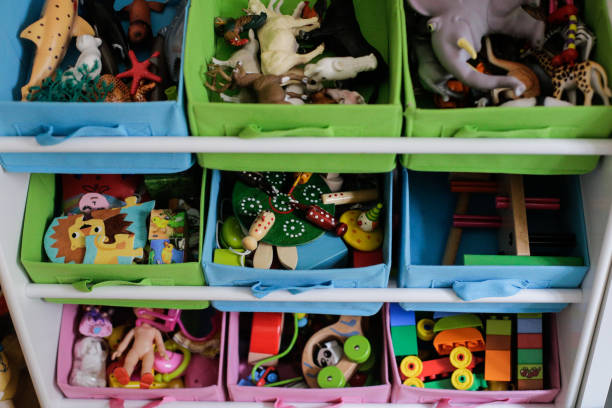
Care is not just about cleaning but also about scientific life cycle management. This maximizes the educational value of each toy and maintains the child’s sense of freshness.
Strategy I: Implement “Toy Rotation”
This is the essence of Montessori home environment management. Do not display all toys at once.
| Action | Method | Core Benefits |
|---|---|---|
| Grouping | Divide toys into 3-4 groups. | Maintains Focus: Limited choices reduce distraction. |
| Display | Exhibit only one group (6-8 items) at a time. | Ignites Interest: “Rested” toys feel like new friends. |
| Timing | Rotate every 1-2 weeks. | Observation: Track the child’s evolving interests. |
Learn more about creating the perfect environment: [Discover Professional Montessori Shelf Setup Tips]
Strategy II: Establish “Check and Retire” Mechanism
Perform a quarterly audit of all materials.
- Minor Repairs: Sand down burrs with eco-friendly sandpaper or use food-grade glue for loose parts. Involving the child is excellent education.
- Honorable Retirement: For toys that are severely damaged, missing parts, or outgrown, handle them decisively. A small farewell ceremony teaches children about letting go and cherishing belongings.
The Ultimate Practice: A Wooden Geometric Plugin Set
Using a classic wooden geometric plugin set as an example, here is how to apply these principles:
- Daily Routine: After the child finishes “work,” guide them to wipe each block and the base with a small dry cloth. This is a closing ritual.
- Periodic Deep Care:
- Prepare warm water with a drop of natural dish soap.
- Quickly wipe each block and dry immediately.
- Use a cotton swab for the crevices of the pillars.
- Air dry in a ventilated area (avoid heaters or direct sun).
- Final Inspection: Ensure shapes slide smoothly (no swelling) and check for new burrs.
“Every display after cleaning is like a reboot, sending a fresh and respectful invitation to the child.”
Frequently Asked Questions (FAQ)
Q1: What if wooden toys get moldy? Is there any hope?
A: Don’t panic! Isolate the item first. For minor mold, wipe with diluted white vinegar, wipe clean with a damp cloth, and dry immediately. Place in a sunny, ventilated spot for several days.
If the mold is deep or extensive, retire it for health reasons. Prevention is key: store toys in dry areas.
Q2: My child cries for a toy that has been rotated out. What should I do?
A: This is normal and shows a genuine attachment. Empathize first: “I know you miss the Brown Stairs.”
Then, offer a limited choice: “We can let them rest for two days. Would you like to explore this new work, or choose another old friend from the shelf? We will bring the stairs back on Friday.” Follow the child’s rhythm; if interest is intense, extend the display time.
Conclusion: Care is an Extension of Love and Wisdom
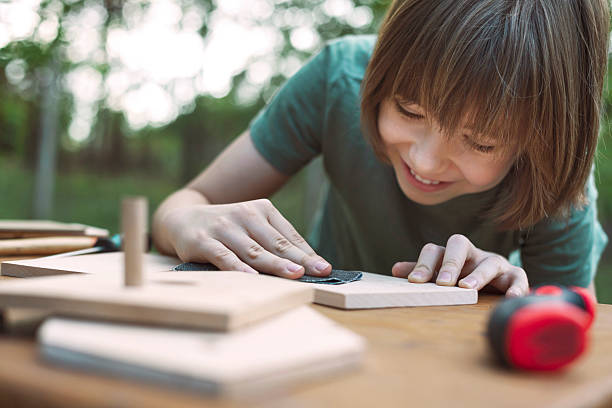
Meticulous care for Montessori toys might look like maintaining objects, but it is actually nurturing an atmosphere, an attitude, and high-quality parent-child time.
When you take the time to polish wood or organize a display, you are silently showing your child how to finish what they start and how to respect the resources they have.
This effort will reward you. You will find that well-maintained materials stay with the child longer and can even be passed down with beautiful marks of use.
The sense of order, responsibility, and aesthetic appreciation developed in this process is the true wealth your child inherits.